Castana Honey Articles

Insights, tips, and stories from our apiary and the wonderful world of bees.

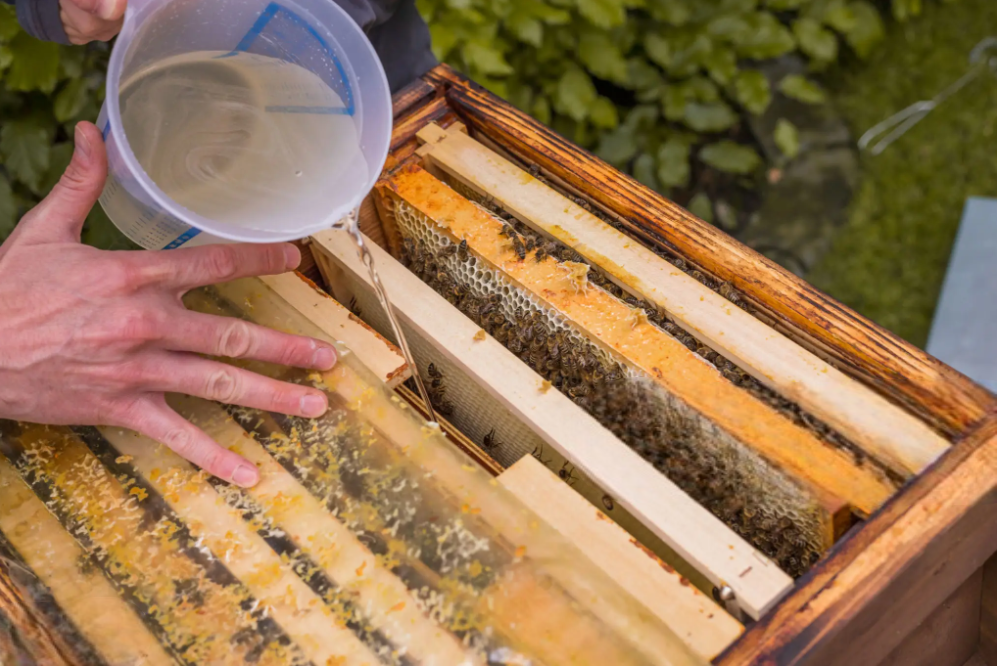
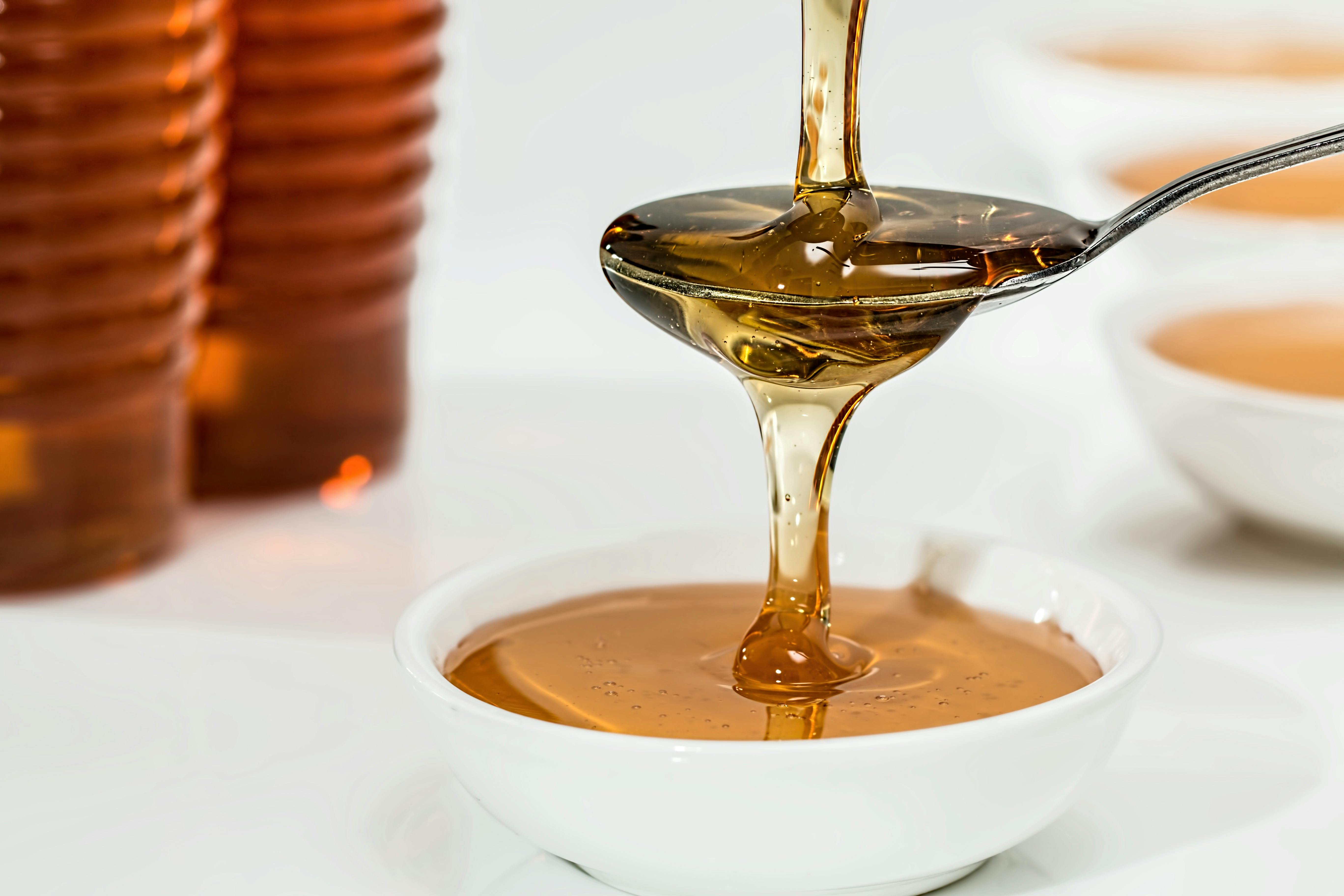
The Sweet Rewards: A Beginner's Guide to Your First Honey Harvest

The Sweet Rewards: A Beginner's Guide to Your First Honey Harvest

Harvesting honey for the first time is an exciting milestone for any beekeeper. Learn the essential steps, tools, and tips to ensure a successful and sweet reward from your buzzing friends.

Read More
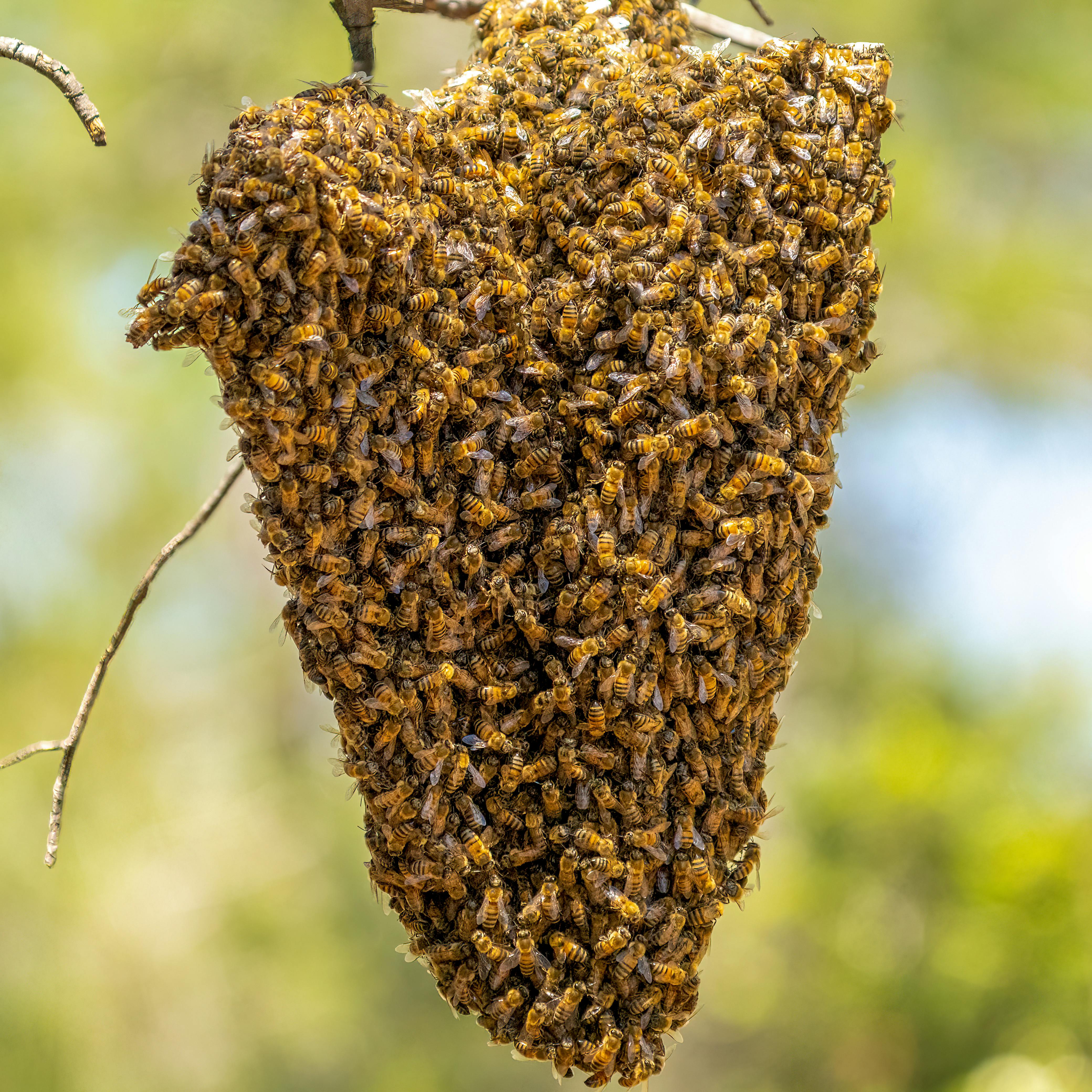
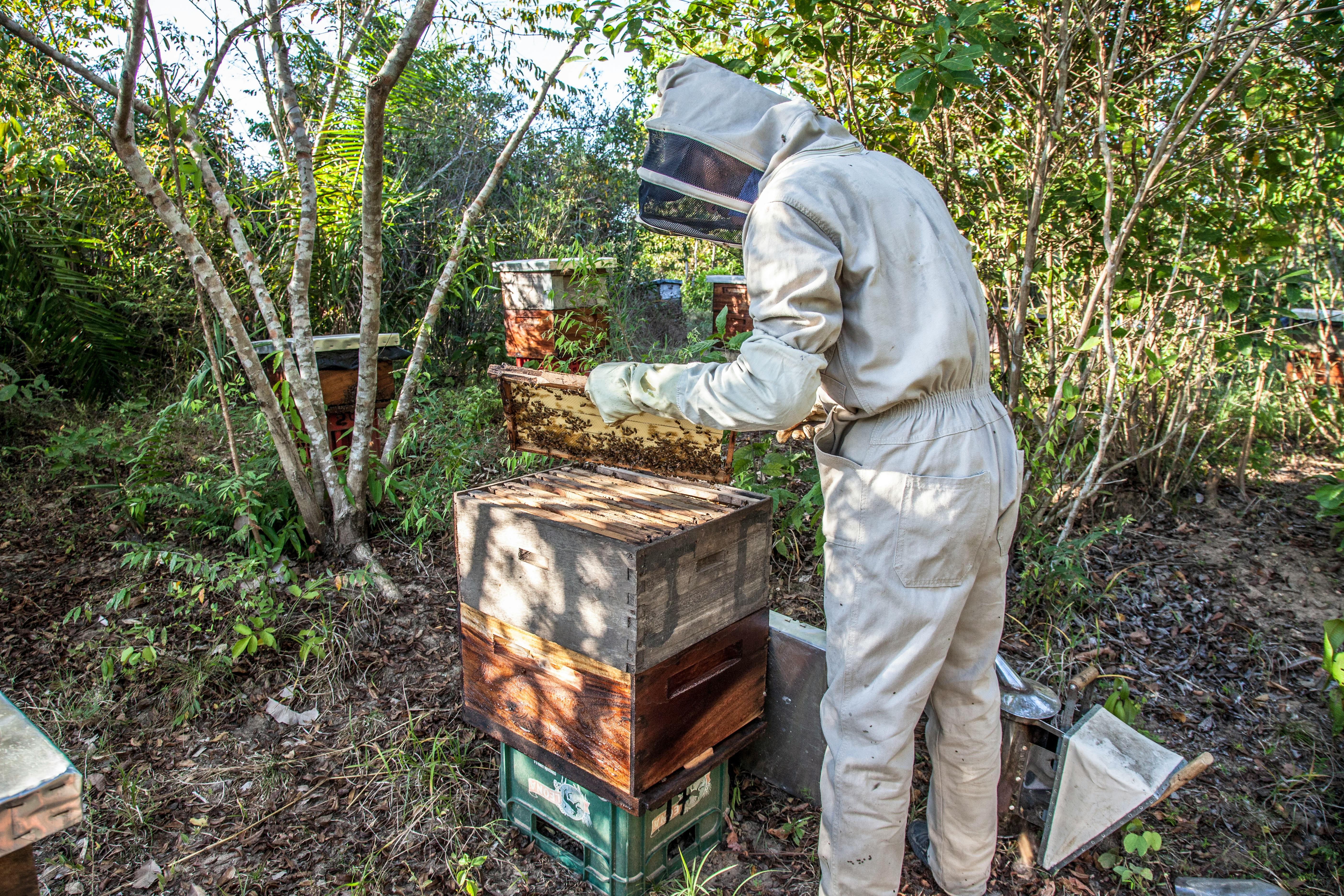
Understanding Bee Swarms: Nature's Way of Expansion

Understanding Bee Swarms: Nature's Way of Expansion

Seeing a bee swarm can be alarming, but it's a natural and fascinating process. Discover why bees swarm and what you should (and shouldn't) do if you encounter one.

Read More
Choosing the Right Hive: Langstroth, Warre, or Top Bar?

Choosing the Right Hive: Langstroth, Warre, or Top Bar?

Selecting the right beehive is a crucial first step. We explore the pros and cons of popular hive types to help you make an informed decision for your apiary.

Read More
Fueling the Hive: The Importance of Good Bee Nutrition & Feeding

Fueling the Hive: The Importance of Good Bee Nutrition & Feeding

A well-nourished colony is a healthy, productive, and resilient colony. Explore the essentials of bee nutrition and when and how to provide supplemental feeding.

Read More
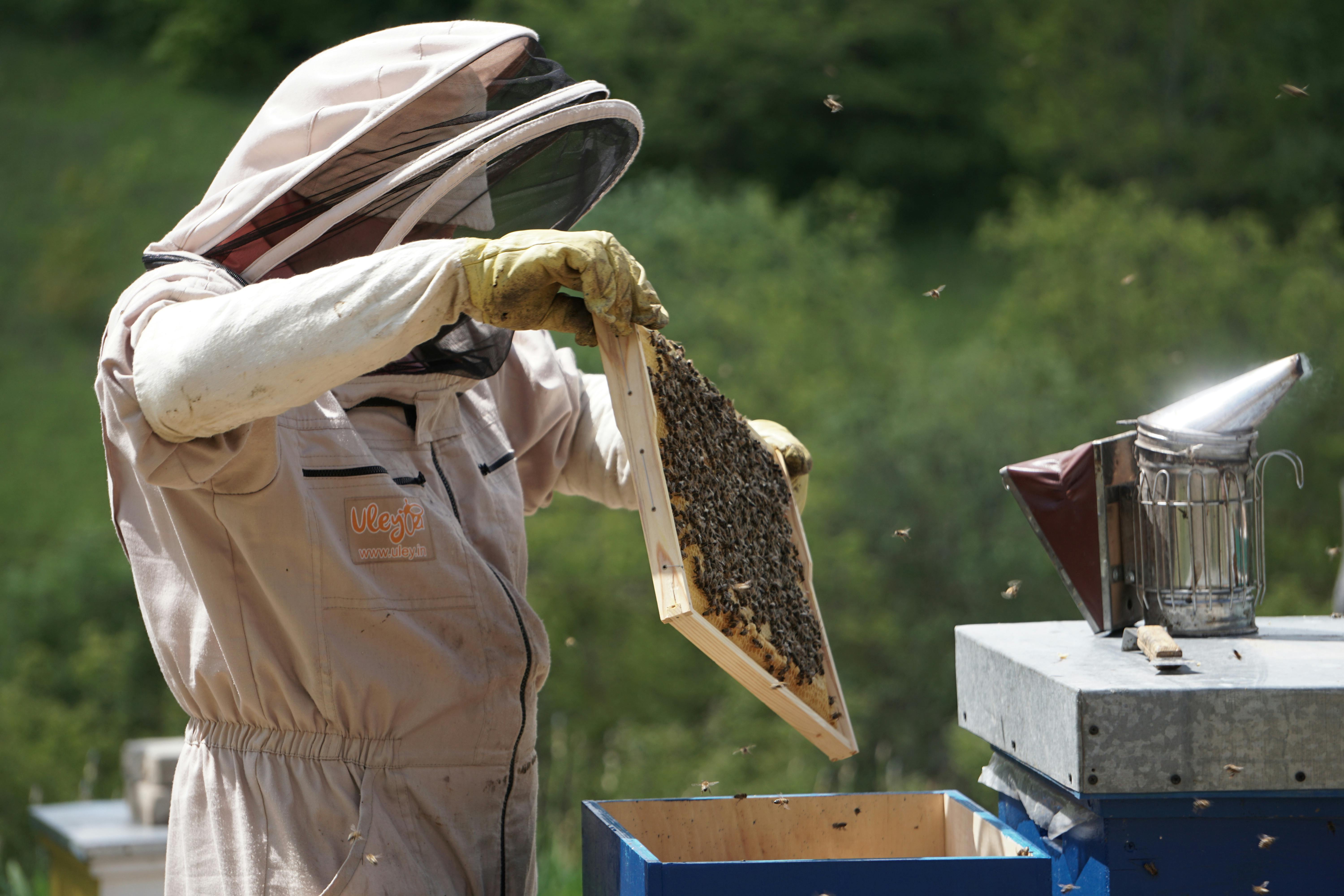
Listen to Your Bees: Frequent Checks to Understand Their Intentions

Listen to Your Bees: Frequent Checks to Understand Their Intentions

Regular, observant hive checks are key to proactive beekeeping. Learn what to look for to understand your colony's needs, health, and upcoming plans like swarming or supersedure.

Read More
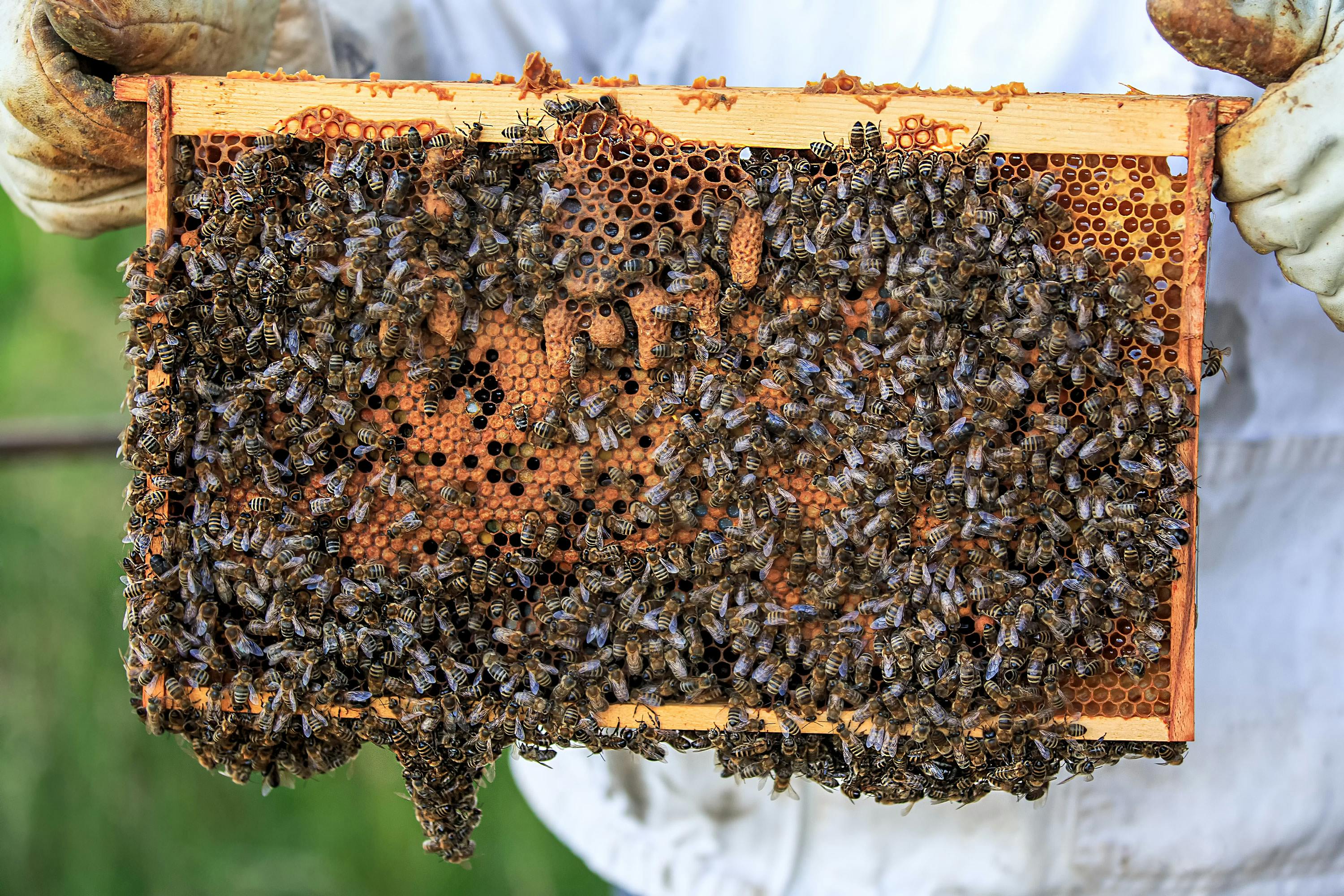
Reading the Comb: A Beekeeper's Guide to Hive Inspection Insights

Reading the Comb: A Beekeeper's Guide to Hive Inspection Insights

The honeycomb is a living diary of your colony. Master the art of 'reading the comb' to assess queen health, brood patterns, disease presence, and resource levels during inspections.

Read More
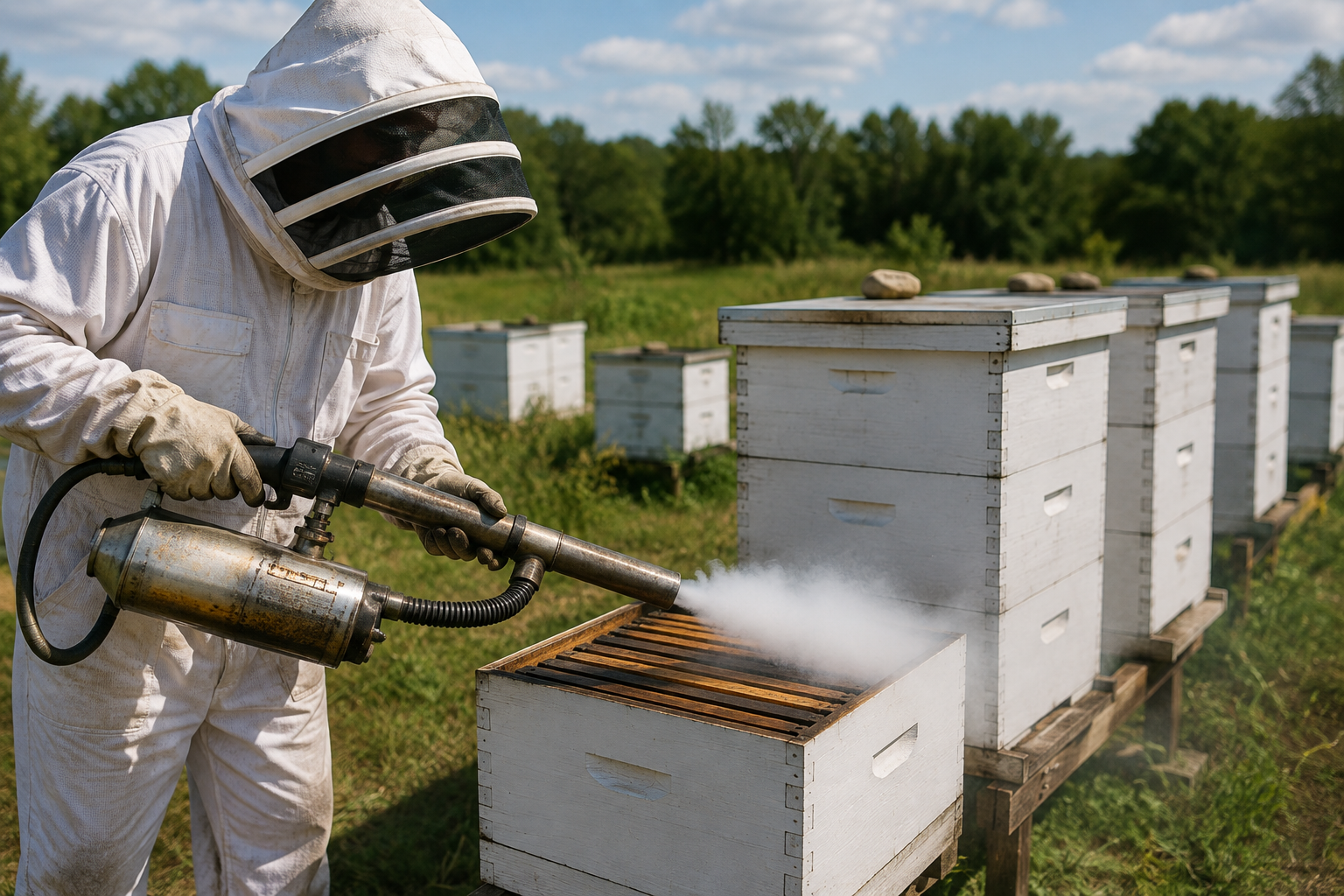
Chemicals in the Hive: What Beekeepers Use, Why They Use Them, and What Honey Consumers Should Know

Chemicals in the Hive: What Beekeepers Use, Why They Use Them, and What Honey Consumers Should Know

Commercial and hobby beekeepers use a variety of treatments to protect colonies from Varroa mites and other threats. Learn what these treatments are, why they are used, and what consumers should know about possible residues in honey and beeswax.

Read More
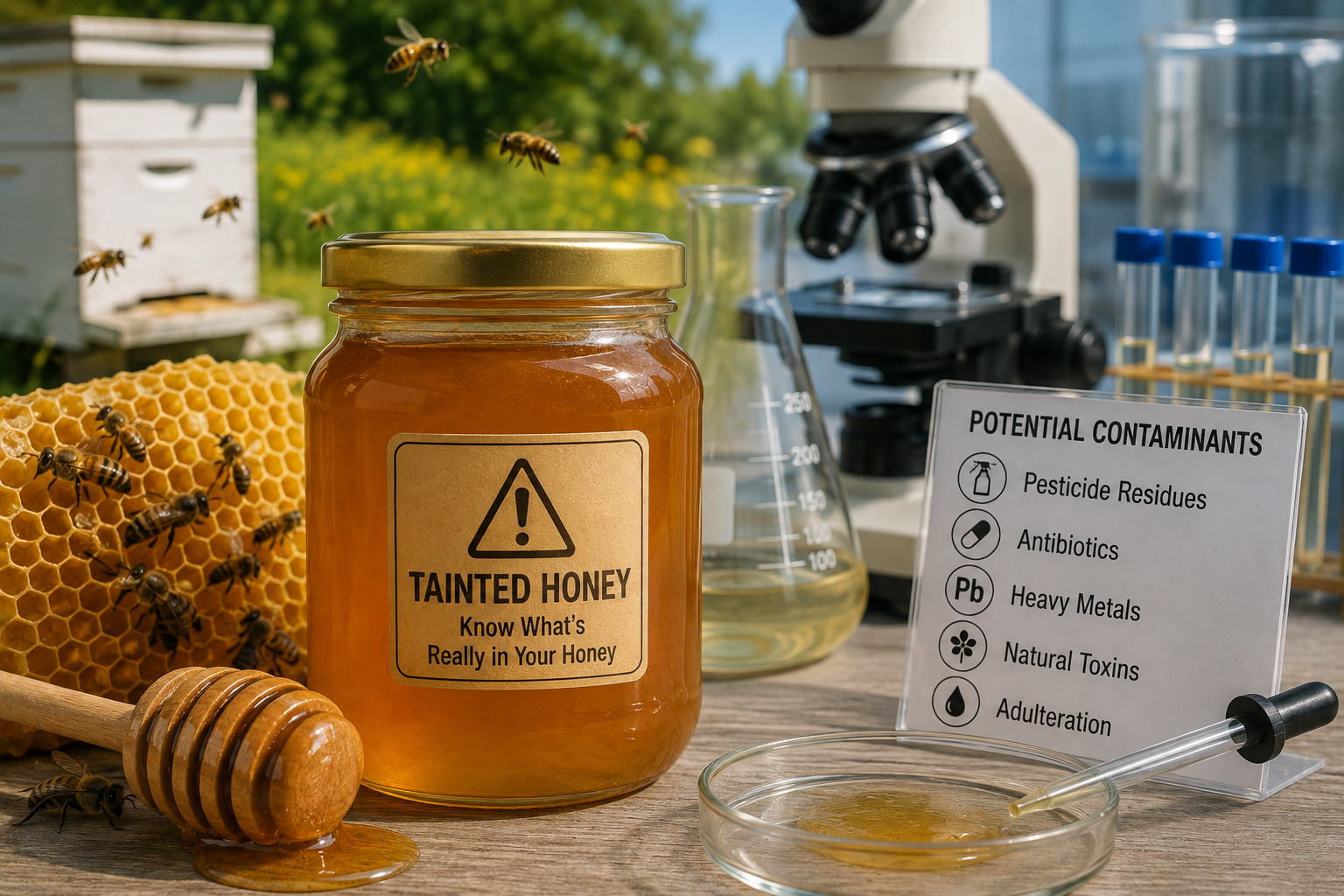
Tainted Honey: What Contamination Can Do to Human Health

Tainted Honey: What Contamination Can Do to Human Health

Honey is usually a wholesome natural food, but contamination can introduce real health risks. Learn how pesticide and veterinary-drug residues, heavy metals, natural plant toxins, microbial hazards, and adulteration can affect consumers—and why knowing the source of your honey matters.

Read More
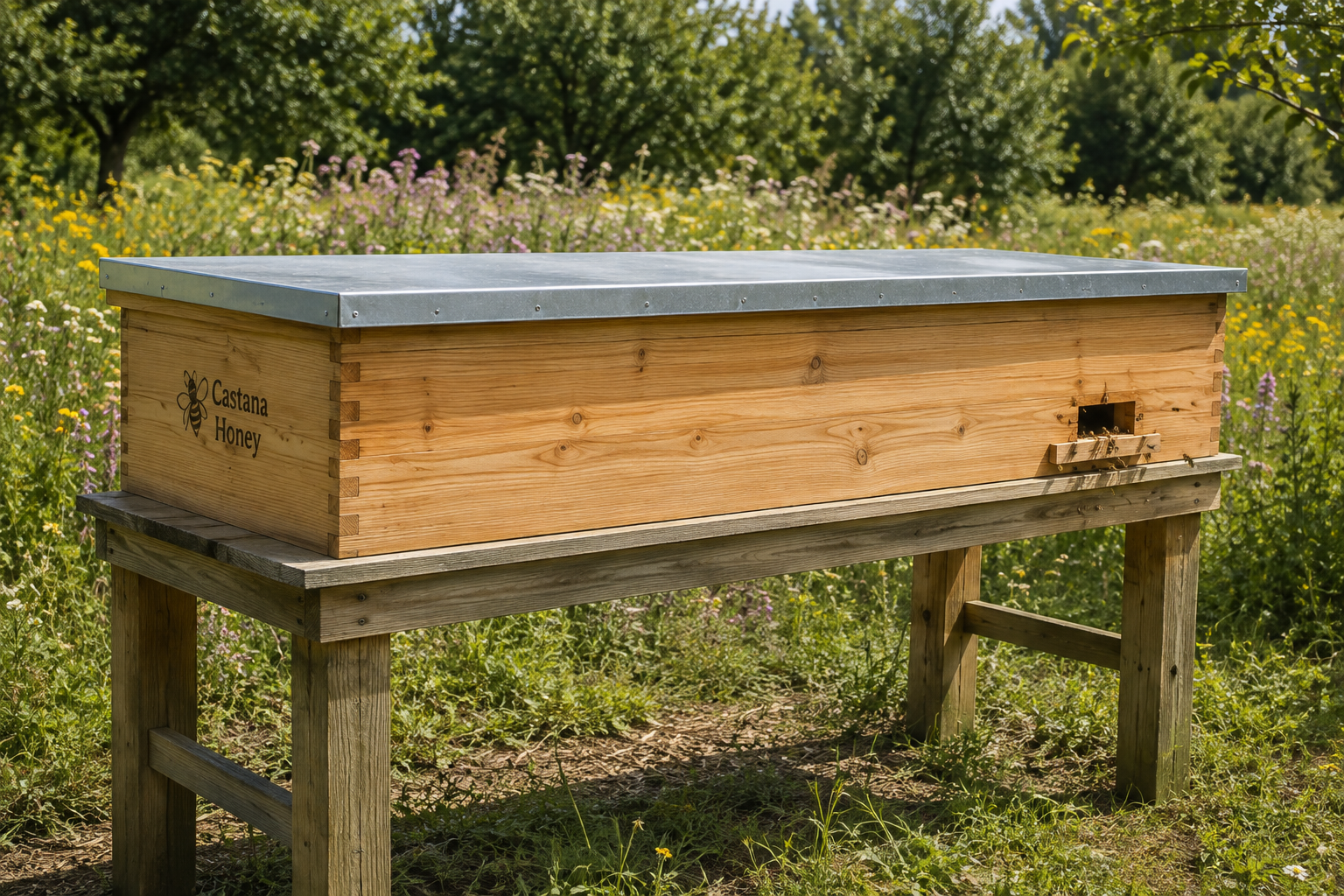
Natural Beekeeping: Letting Bees Be Bees

Natural Beekeeping: Letting Bees Be Bees

Explore a low-intervention approach to beekeeping built around permanent horizontal hives, only a few purposeful inspections each year, natural forage, conservative honey harvesting, and allowing bees to rely primarily on the honey and pollen they gather for themselves.

Read More